Tide · Sound
A Multisensory Soundscape Experience
Created Jul 21, 2023 - Last updated: Nov 11, 2024
Design Concept
The site is located in Changshu, China, nestled between the Yangtze River and the China Sound Valley Technology Park—a unique green space with exceptional geographical qualities. During the early stages of the project, we conducted on-site interviews to better understand how people perceive the local soundscape. The feedback revealed a general dissatisfaction with the current acoustic environment, providing valuable insight that guided our design direction.
One striking natural feature of the site is the dramatic tidal fluctuation of the Yangtze River in this region, with a rise and fall of up to four meters. This inspired us to recreate the ebb and flow of the tide through a dynamic soundscape, aiming to evoke a distinctive emotional connection with the site.
After thorough field research and contextual analysis, we defined a clear soundscape strategy grounded in the site’s existing spatial conditions. Drawing upon the expertise of the Sound Valley Park in areas such as digital acoustics, interactive sound technology, and soundscape health, we developed four key experiential nodes:
Observing the Tide, Listening to the Tide, Touching the Tide, and Reflecting on the Tide.
Together, they form a multi-sensory narrative that resonates with the natural rhythm of the river while enhancing the site’s cultural and emotional identity.
Observing the Tide
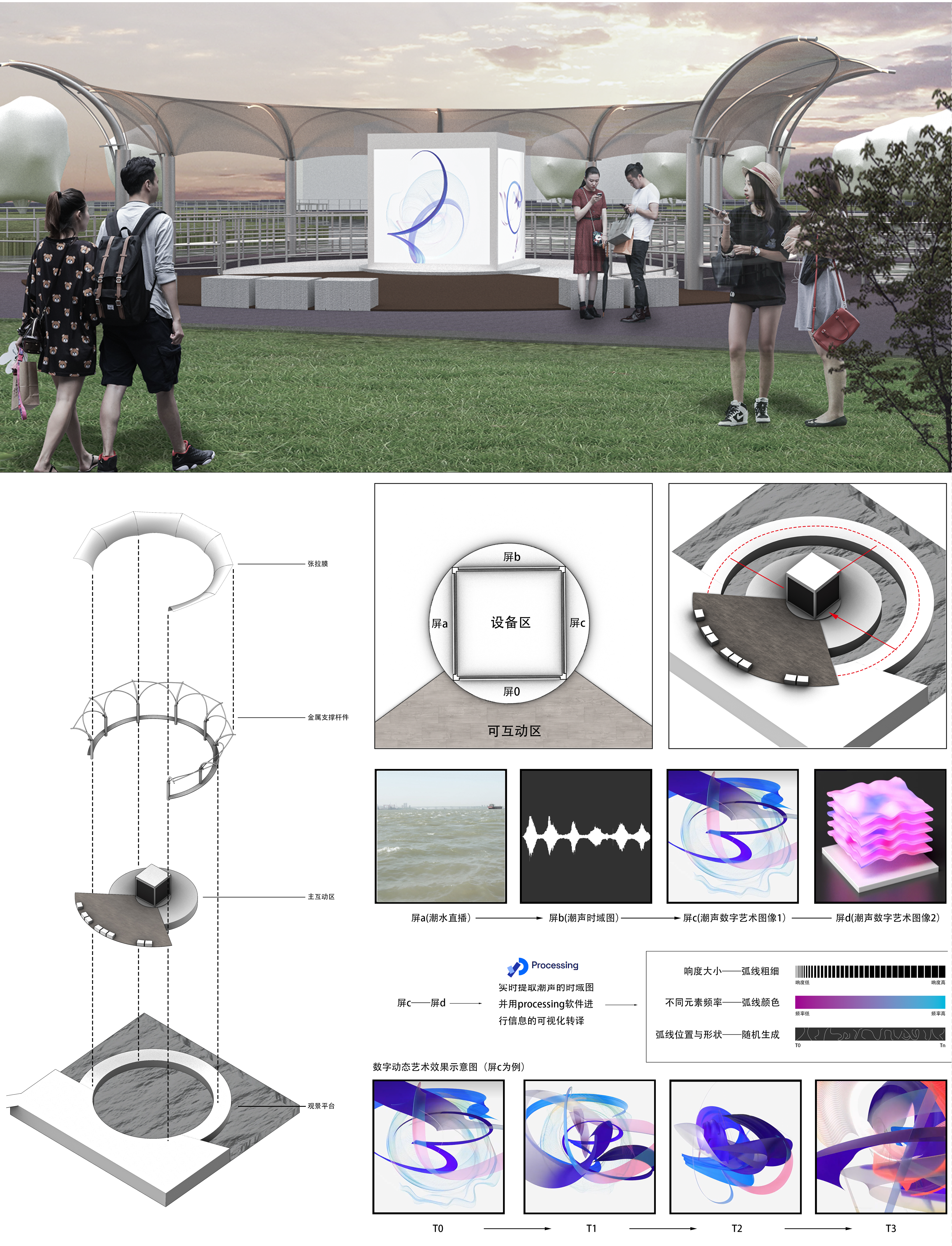
At the Observing the Tide node, we built upon the site’s existing tensile membrane structure and drew inspiration from the traditional Chinese philosophical concept of “Fang & Yuan” (square and circle). The result is a digital sound-art installation that visualizes acoustic signals in real time.
The installation features four LED screens arranged on all sides. Each screen presents a different interpretation of the tidal soundscape:
A — real-time video of tidal movement B — waveform visualization in the time domain C — generative digital art D — interactive tidal data playback
Taking screen C as an example, we used Processing, an open-source programming language for visual expression, to convert live tidal sounds into evolving digital artworks. These abstract visuals mirror the rhythm and texture of the tide, offering visitors a multisensory and meditative experience.
Listening to the Tide
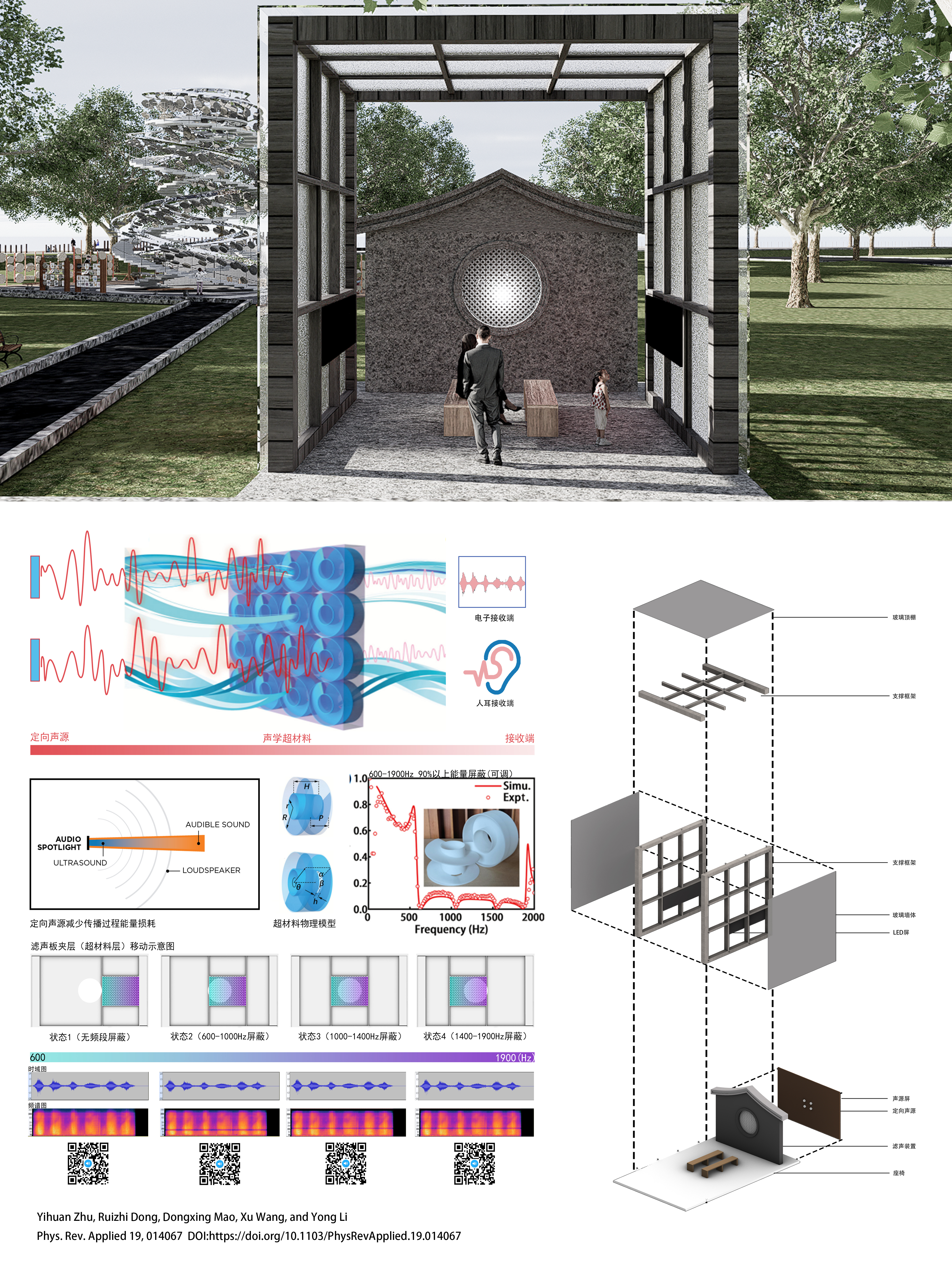
At the Listening to the Tide node, we reimagined the site’s existing glass pavilion by drawing inspiration from the circular windows of traditional Suzhou garden gateways. The resulting soundscape installation centers around acoustic metamaterials, integrated into a movable wall system.
These metamaterials are embedded along sliding wall panels. As visitors interact with the sliding mechanism, they experience the tidal sounds filtered through different frequency ranges. This shifting acoustic experience reveals the hidden textures of the tide—offering a quiet, immersive moment shaped by movement, material, and sound.
Touching the Tide
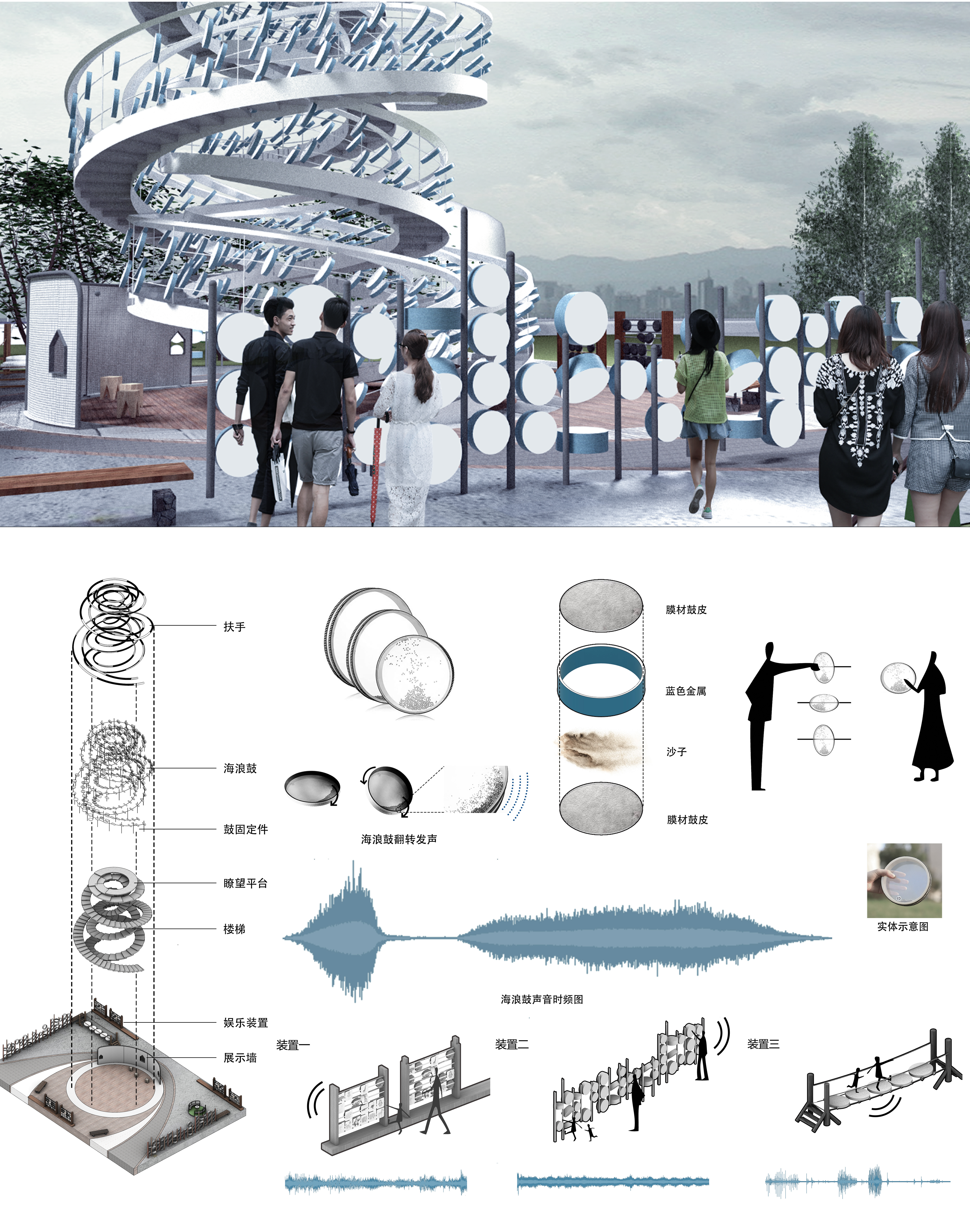
At the Touching the Tide node, we explored interactive soundscape design by using the ocean drum as a medium for tactile engagement. Inspired by Suzhou’s reputation as the “City of Silk,” the installation takes cues from the fluid, graceful form of silk, translating its motion into the physical expression of the space.
Visitors are invited to interact with the ocean drum through a series of smaller tactile devices. By touching, flipping, or stepping on these elements, they can activate the ocean drum and create a personal acoustic experience. In this plaza, sound becomes something not only heard, but also felt—bridging the natural rhythm of the tide with the user’s physical presence.
Reflecting on the Tide
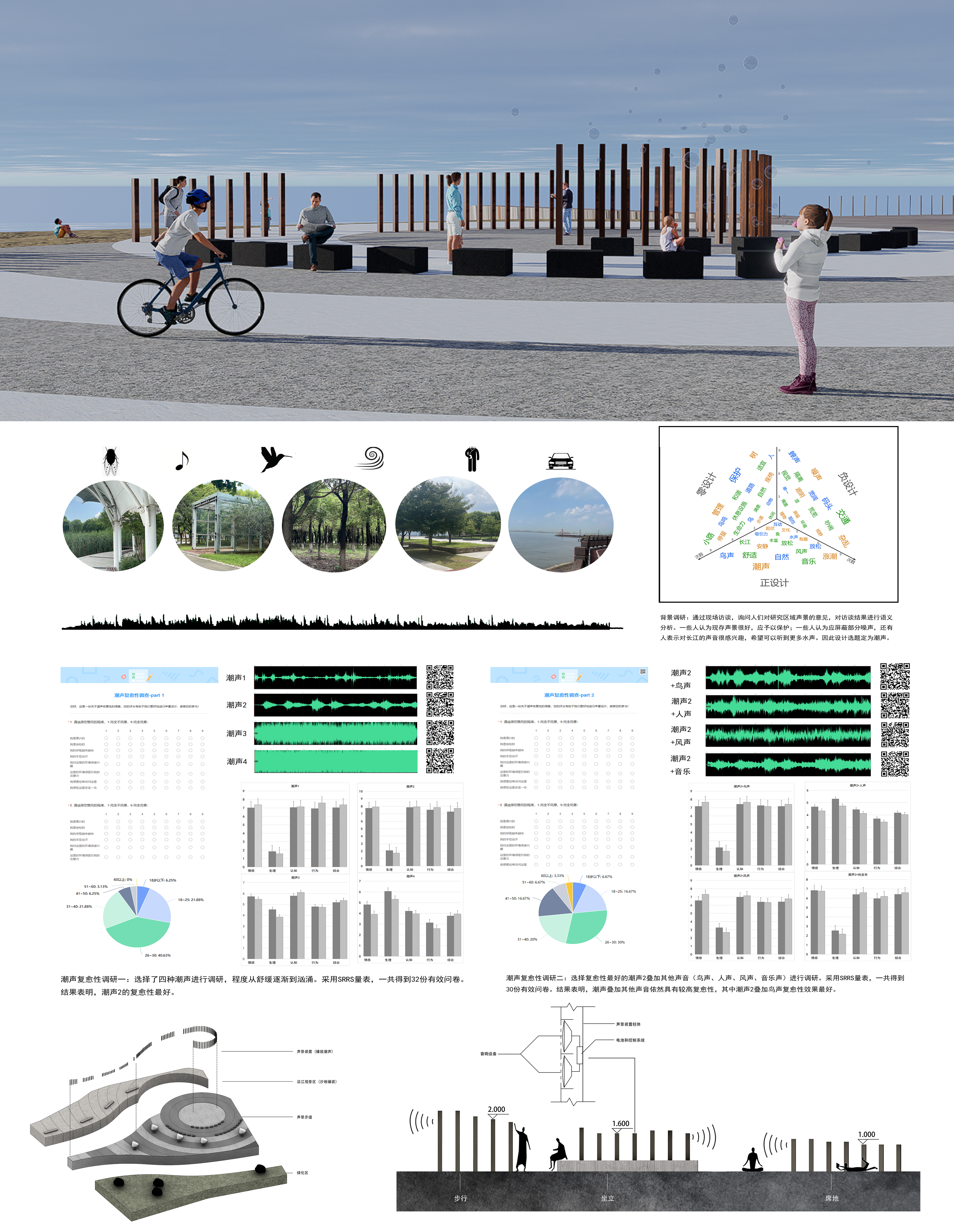
Looking ahead, acoustic restorative potential is emerging as a vital direction in soundscape research. Through an SRRS-based questionnaire study, we evaluated four recorded tidal sounds and identified the second recording as having the strongest restorative effect. Even when layered with ambient site sounds, it maintained high perceived restoration—particularly when combined with birdsong, which further enhanced its calming quality. Based on this insight, we selected this sound mix for playback in the final installation.
Drawing inspiration from traditional Chinese bamboo scrolls, we designed the Reflecting Tide Plaza, located along the riverside. The plaza features a series of sound-emitting pillars that vary in height according to human activity and ergonomic scale. Some visitors sit close to the ground, quietly listening to the tide; others pass by while jogging, finding energy and calm in the acoustic environment.
A soundscape where technology meets art — not just a journey through sound, but a multisensory experience of the Yangtze tide in Changshu.
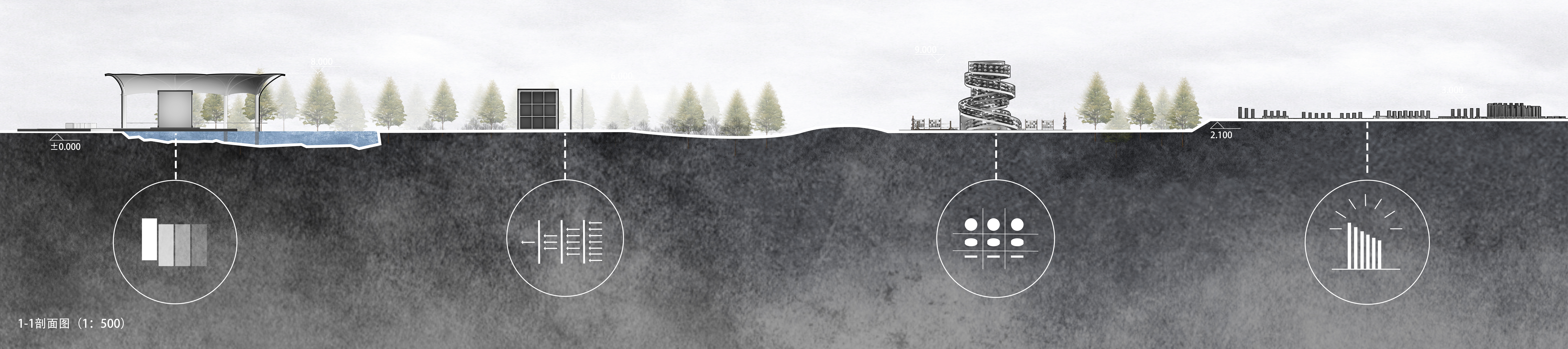
We sincerely thank Professor Mao Dongxing and his team from Tongji University for their technical support in acoustic metamaterials.
Video Demonstration
Acoustic Metamaterials
Futher Presentation
Together with Professor Meng Qi, I delivered a presentation titled Cultural, Artistic, and Technical Characteristics of Soundscape in Haikou, exploring the interdisciplinary integration of soundscape theory, artistic interpretation, and acoustic technology.
From Concept to Reality
This project has been officially approved for construction by the Changshu Municipal Government and is currently in the process of being implemented on site.